
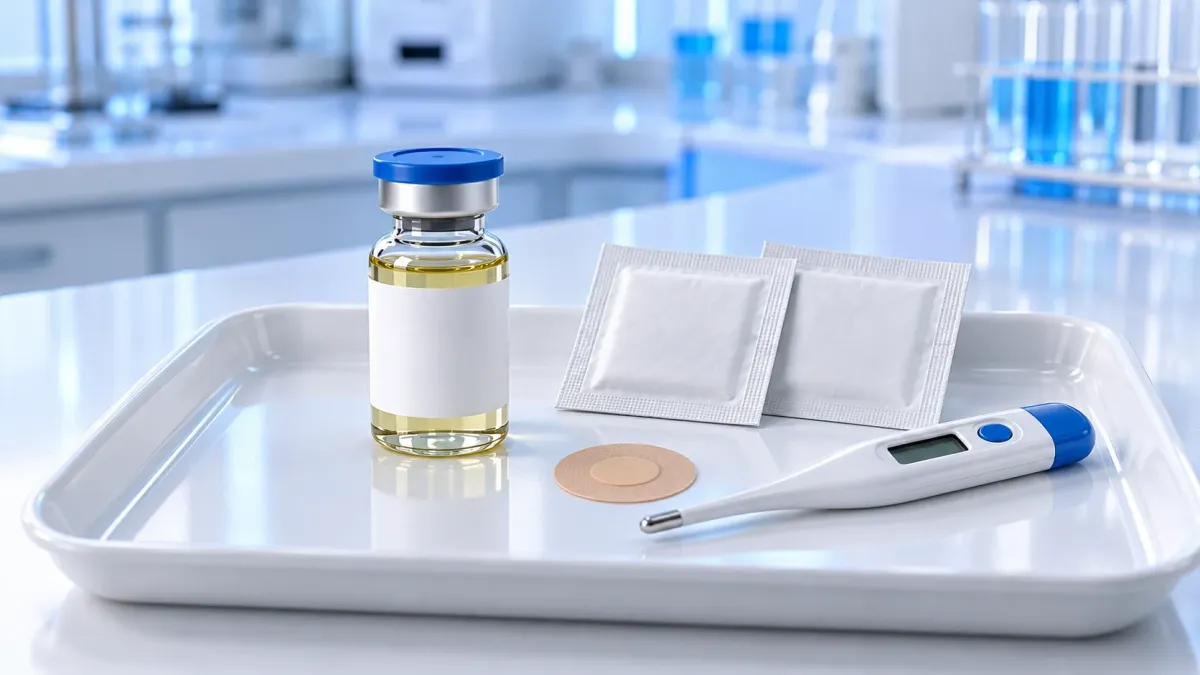
Post Injection Pain: Normal PIP vs Warning Signs
Post injection pain explained: what causes PIP in steroid oils, how common injection problems are, what PIP says about a brand and warning signs of infection.
What Post Injection Pain Is
Post injection pain, usually shortened to PIP, is soreness at the injection site in the hours and days after an oil-based injection. It is one of the most discussed topics in reviews of steroid brands, Geneza included, because it is the first thing a user notices about a new vial. Some post injection pain is common and harmless. Some pain is a sign of a problem that needs a doctor, and telling the two apart matters more than any brand comparison.
Mild soreness that peaks in a day or two and fades is ordinary PIP. Pain that grows, spreads, turns hot and red, or comes with fever is not.
Common Causes of PIP
What drives post injection pain
Solvents such as benzyl alcohol and benzyl benzoate
Irritate tissue at higher concentrations
Sore within hours, fades in 2 to 3 days
Short esters such as propionate
Irritate more than long esters
Sore and tight for 2 to 3 days
High concentration products
Need more solvent to hold the compound
Stronger soreness
Large volume in one site
Stretches the muscle
Dull ache, heavier with volume
Contamination
Bacteria or particles
Worsening pain, heat, redness, swelling
Solvents are not a sign of an underground product. The FDA label for Depo-Testosterone, the pharmacy testosterone cypionate, lists benzyl benzoate and benzyl alcohol in cottonseed oil as its inactive ingredients, the same kind of solvents found in underground oils. The difference is that the licensed product holds them to a fixed formula and tests each batch for sterility. Most PIP comes from the first four rows and says little about whether a product is real. A correctly made vial with a short ester can hurt more than a long ester from the same brand. The last row is different and is covered below.
PIP and Brand Reviews
Reviews of underground brands often rank them by post injection pain. For Geneza, forum comments on injectables such as GP Test Cyp 250 vary between batches, which is typical of underground production where formulas and solvents can change. Summaries of those comments are in Geneza Pharmaceuticals reviews.
A single painful vial is weak evidence against a brand. A pattern of reports about one batch, especially with swelling or heat, is stronger evidence against that batch. Low PIP also proves nothing about dose: an underdosed vial with little solvent can be very smooth.
The 2026 bad batches make the point from the other side. Ultima Pharmaceuticals said several of its testosterone batches contained MCT oil, benzyl alcohol, benzyl benzoate and vitamin E with no testosterone at all. Those oils carried the usual solvents, so they could sting like a normal vial while delivering nothing. PIP, high or low, is not evidence of what a vial contains; a reagent test, a lab report or blood work is.
How Common Injection Problems Are
Research on people who inject performance drugs gives a sense of scale. A survey of 366 men who injected image and performance enhancing drugs in England and Wales in 2010 and 2011, published in Epidemiology and Infection, found:
Injection site problems in 366 men
Redness, swelling and tenderness
42% (36% in the past year)
17% of those affected
Abscess, sore or open wound
6.8%
76% of those affected
Two points stand out. Minor injection site reactions are common, affecting well over a third of users in a year, which matches the forum picture of PIP as routine. And abscesses, while far less common, are serious enough that three quarters of those affected ended up seeking medical care, most often at emergency clinics or GP surgeries.
Why Some Batches Hurt More
Most PIP differences between batches come down to formulation. Solvents such as benzyl alcohol and benzyl benzoate keep high concentrations of steroid dissolved in oil, and underground labs adjust them from batch to batch, so two vials of the same product can feel different. Higher concentration products need more solvent, which is why short esters and strong blends are the usual suspects. Geneza's line includes several of these, such as GP Test Prop 100, GP Tren Acetate 100, GP Test Blend 350 and the short-ester blend GP Andromix, which users would expect to be sorer than GP Test Cyp 250 regardless of quality. The full list is in Geneza Pharmaceuticals steroids.
Concentration is the easiest factor to see on a label. Pharmacy testosterone cypionate in the US is made at 100 or 200 mg per ml, according to the Depo-Testosterone label. Underground products often go higher: GP Test Cyp 250 is 250 mg per ml, GP Test Blend 350 is 350 mg per ml and the GP Test E 200 / EQ 200 blend is 400 mg per ml. Users generally expect more soreness as concentration rises, although that is a pattern reported on forums rather than a measured result.
Warning Signs to Take Seriously
- 1Pain that keeps getting worse after the second day instead of easing.
- 2Redness spreading from the site, skin that is hot to the touch, or a hard, growing lump.
- 3Fever, chills or feeling unwell.
- 4Pus, or a soft swelling that feels full of fluid.
- 5Numbness, sharp nerve pain, or pain far from the injection site.
In the England and Wales survey, most people who had an abscess sought treatment, most often at emergency clinics or from GPs, and the authors called for better access to sterile injecting equipment and targeted harm reduction advice. These can point to an infection or abscess, which can become serious and needs medical care, not home treatment. Doctors treat these regardless of what was injected, and telling them what was used helps them treat it correctly.
PIP and Counterfeit Products
Fake products are made with less care about sterility, so infection risk is higher with them. Cloudy oil, floating particles or a strange smell are reasons not to use a vial at all. The checks that help before first use, packaging comparison, a reagent test and a close look at the oil, are in the Geneza product authenticity guide.
Crystals in the oil are a separate issue. They usually form in cold during shipping and dissolve with gentle warming; if they do not dissolve, the vial should not be used. More on shipping conditions is in where does Geneza Pharmaceuticals ship from.
Ordinary post injection pain usually peaks within the first day and fades over two to three days. Short esters and high concentration products can stay sore a little longer. Pain that grows after the second day, or comes with heat, redness or fever, is not normal PIP and should be seen by a doctor.
No. Real products can cause strong PIP because of solvents, short esters or high concentration, and fake products can be painless. PIP alone does not prove anything about authenticity. Packaging checks, a reagent test and blood work are far better evidence of whether a product is real.
The main causes are solvents such as benzyl alcohol and benzyl benzoate, short esters like propionate, high concentration formulas and large injection volumes. Contamination is a less common but serious cause. The first group produces soreness that fades; contamination produces pain that gets worse over time.
Forum comments on GP injectables vary from smooth to sore, often between batches, which is common for underground labels. No independent data compares PIP across brands. A single sore vial says little; repeated reports on one batch, especially with swelling, are a better reason for caution.
See a doctor if pain worsens after two days, if redness spreads, if the area is hot or swollen, if a lump keeps growing, or if you have fever or chills. These can be signs of infection or an abscess, which need medical treatment and can become serious quickly.
Cold can make some compounds crystallise in the oil, which is visible as small crystals or cloudiness. Injecting oil with crystals can hurt more. Gentle warming usually dissolves them. If crystals or particles remain after warming, the vial should not be used at all.
GenezaPharma.review is an independent review and information platform. We are not affiliated with Geneza Pharmaceuticals, its owners, manufacturers, distributors, or retail partners. This content is for informational and review purposes only. Images on this site are illustrative artwork made for editorial purposes; they do not show real products, packaging or labels and are not an advertisement or an offer to sell.
Editorial Team
Editorial Staff
Editorial team
Comments (0)
Be the first to comment on this article.